
Halal Food: A Dietary Civilization Beyond Faith, Combining Health, Ethics, and Contemporary Value
Halal food,Halal products,healthy diet,food safety
Understanding Halal food as a dietary civilization beyond faith, combining health, ethics, and contemporary value
Halal Food: A Dietary Civilization Beyond Faith, Combining Health, Ethics, and Contemporary Value
After years of exposure to Halal food, I've discovered that many people's understanding of it remains superficial—limited to "religion-specific" or "no pork allowed." In reality, Halal is far more complex. In Arabic, its original meaning is "lawful" or "permitted," representing dietary guidelines within the framework of Islamic law. For Muslims worldwide, following Halal dietary practices is part of their faith and a deeply ingrained habit in daily life. However, stepping beyond the religious perspective reveals that Halal food has evolved into a mature system covering health, safety, ethics, and more. Even many of my non-Muslim friends now actively choose Halal food for its cleanliness and peace of mind.
I. Health First: The Logic of Cleanliness Hidden in Details
The core of Halal food is "cleanliness," with all rules centered around health, even stricter than the food hygiene standards we typically focus on. Muslims believe that the body is a vessel of faith, and maintaining physical health and cleanliness is the foundation of practicing faith—a concept that aligns perfectly with our modern pursuit of healthy eating.
Take meat processing, for example. The most crucial aspect of Halal slaughter is "complete bloodletting." Many may not know that blood easily breeds bacteria and retains toxins. If bloodletting is incomplete, meat can spoil quickly and may cause digestive issues. Halal slaughter requires using a sharp knife to quickly sever the main blood vessels and windpipe when the animal is in a calm state, allowing blood to drain as quickly as possible. This not only reduces bacterial residue but also makes the meat more tender. Moreover, Islamic law explicitly prohibits consuming blood itself, which is entirely consistent with modern hygiene concepts, avoiding the risk of bloodborne diseases at the source.
Ingredient selection also has clear principles: pigs, carnivorous beasts, scaleless fish, and others are prohibited. Pigs have a unique physiological structure, prone to hosting parasites like tapeworms, and are high in fat—excessive long-term consumption can lead to obesity and hypertension. Carnivorous beasts and birds of prey often consume carrion, accumulating toxins in their bodies, which is not beneficial to health. Additionally, animals that die naturally or from illness must never be consumed, as such animals likely harbor large amounts of bacteria and viruses, making food poisoning highly probable. This is a fundamental health guarantee of Halal food.
Beyond ingredients and slaughter, the dietary environment is also strictly regulated. Slaughtering tools must be thoroughly cleaned and disinfected, slaughterhouses must be well-ventilated and dry to avoid cross-contamination with non-Halal ingredients, and practitioners must maintain personal cleanliness. Moreover, Halal food advocates moderation—avoiding overeating, consuming more grains, vegetables, and fruits, and maintaining a balanced diet. This dietary habit, when maintained long-term, is indeed very beneficial to the body.
II. Full Traceability: Reassuring Food Safety Assurance
Food safety is a major concern today, and Halal food's certification system is actually stricter than many ordinary food standards. Many people think Halal certification is just a label, but it actually covers every step from ingredient procurement to end sales, with full traceability, making purchases more reassuring.
To obtain Halal certification, ingredient sources must first pass scrutiny. Certification bodies carefully audit suppliers, confirming that meat comes from Halal-slaughtered animals, and that auxiliary materials and additives contain no non-Halal components, such as animal gelatin or animal fats. For imported ingredients, the Halal certification credentials of the origin must also be verified to ensure compliance from the source.
The production and processing stage is even stricter. Enterprises must establish dedicated Halal production workshops, separate from non-Halal food production areas to avoid cross-contamination. Production equipment must be dedicated, and after use, must be thoroughly cleaned and disinfected. Even tools and containers that contact ingredients cannot be mixed with non-Halal ingredients. Certification bodies also conduct regular on-site inspections, and once violations are found, certification credentials are revoked, forcing enterprises to strictly comply with regulations.
Storage, logistics, and sales are also not relaxed. Halal food must be stored and transported separately from non-Halal food, and end sales must have dedicated shelves or counters with clear labeling for easy identification. This comprehensive oversight model allows us to clearly understand the source and production process of food, eliminating concerns about food safety issues.
III. Life Ethics: Reverence and Kindness Toward Life
After prolonged exposure to Halal food, what touches me most is its respect for life. Islamic law holds that animals are also life created by Allah. Humans may use animals to sustain survival, but must minimize their suffering and cannot abuse them without reason. This concept is essentially the same as the animal welfare concerns we focus on today, full of humanistic care.
Halal slaughter has many humane requirements. For instance, an extremely sharp knife must be used to quickly sever the animal's blood vessels and windpipe, minimizing its suffering time and avoiding the torment of repeated cuts due to a dull blade. Moreover, other animals of the same species cannot be slaughtered in front of the animal, preventing fear and anxiety, as such stress responses can produce harmful substances in the animal's body, affecting both meat quality and potentially human health.
Before slaughter, animals must be provided with adequate water and food to ensure good physical condition, and animals cannot be beaten or abused. Although Halal slaughter methods may differ slightly from some modern animal welfare standards, the core principle is opposition to unnecessary suffering and respect for the value of every life. In my view, this is one of the most touching aspects of Halal food.
IV. Cultural Connection: Emotional Bonds Across Faiths
For Muslims, Halal food is not just a dietary choice but a daily expression of faith and a bond that maintains community emotions. Whether it's daily meals or important festivals like Eid al-Fitr, Halal cuisine is an indispensable part, carrying their culture and emotions.
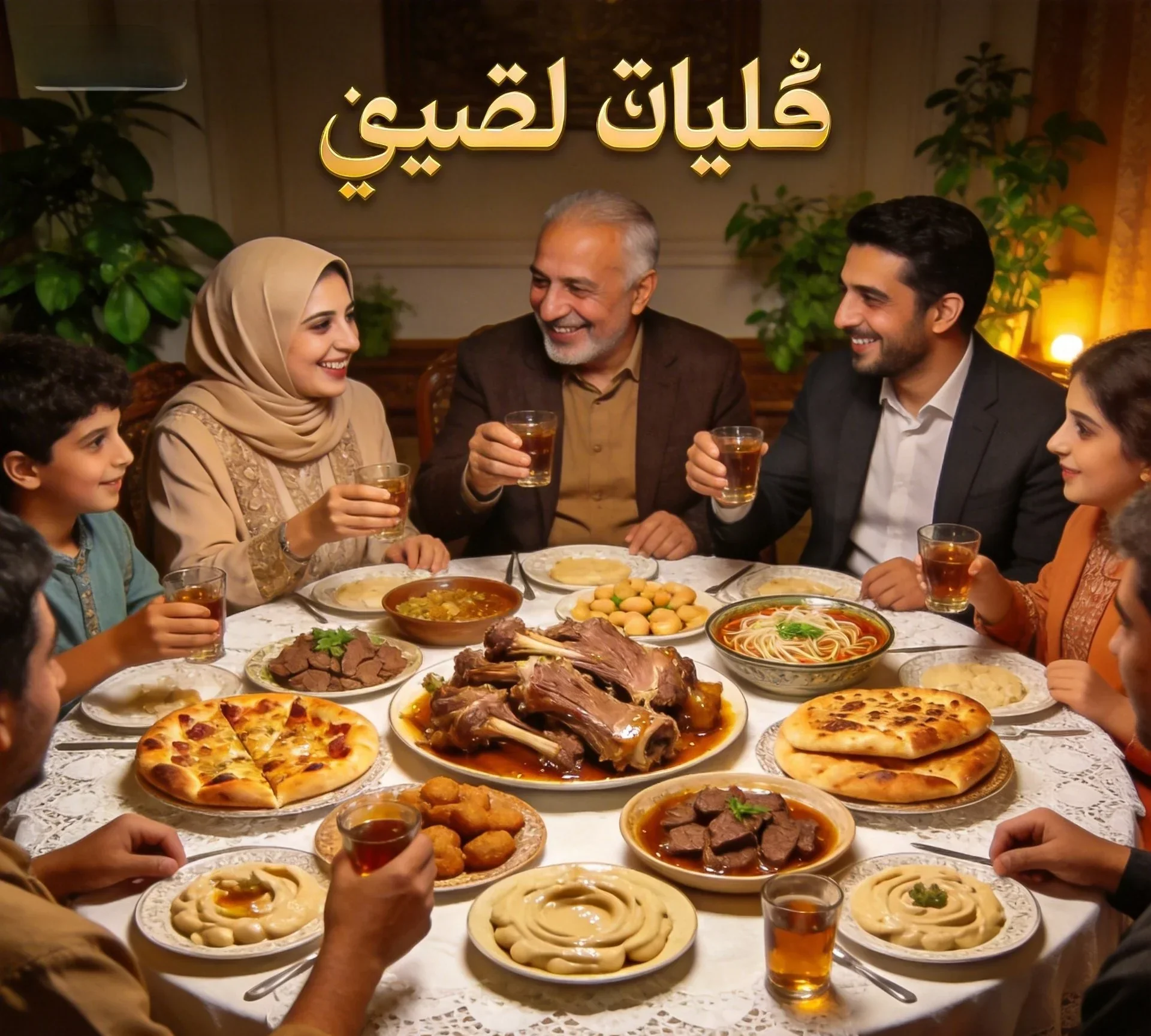
During Eid al-Fitr, Muslims prepare rich Halal delicacies to share with family and friends. This custom not only celebrates the festival but also brings scattered communities closer together. In Muslim communities, Halal restaurants are not just places to eat but platforms for gathering and communication, where one can feel a strong sense of belonging.
Now, Halal food is gradually entering the lives of non-Muslims. Many of my friends, regardless of religious beliefs, actively purchase Halal food, finding it clean and safe. In China, Halal delicacies from Hui, Uyghur, and other ethnic minorities, such as Lanzhou hand-pulled noodles and hand-grabbed mutton, have long become beloved specialty foods, serving as carriers of cultural exchange among different ethnic groups.
V. Industrial Value: A Thriving Sunrise Industry
With the pursuit of healthy eating, the global Halal food industry is developing rapidly and has become a large-scale sunrise industry. According to reports, the global Halal food market has exceeded $2 trillion and is still growing at 5%-10% annually, with great potential.
The development of the Halal industry has driven growth in agriculture, food processing, logistics, certification, and other sectors, creating many job opportunities. For enterprises, Halal certification is like a "passport" to international markets, especially in countries and regions with large Muslim populations. Without Halal certification, food products struggle to enter local markets. In China, the Halal industry is also developing steadily, meeting the needs of Muslim communities while enriching the food market and injecting new momentum into economic development.
In summary, Halal food has never been limited to religious-specific regulations but is a dietary civilization that balances health, safety, ethics, and culture. It contains the wisdom of ancient people and adapts to modern life needs. Regardless of religious beliefs, one can appreciate its value. I hope more people will understand Halal food in the future, setting aside prejudices and truly experiencing its charm.